Key Takeaways
- During economic downturns, it's tempting to sideline diversity efforts, but this “safe” approach is risky as it leads to homogeneous teams, echo chambers, and stifled innovation.
- Diversity is a fundamental driver of business growth, creative problem-solving, and long-term resilience, not just a feel-good initiative.
- The true power of diversity lies in the collision of different life experiences, which challenges assumptions, prevents stagnation, and unlocks access to new communities and resources.
- Inclusive teams with unique perspectives are better equipped to avoid costly, tone-deaf marketing mistakes and can identify innovative solutions that homogeneous groups might overlook.
When the economy tightens, business leaders face difficult choices. Budgets shrink, layoffs dominate the headlines, and the pressure to deliver immediate results skyrockets. During these stressful periods, it feels incredibly tempting to retreat to what you know. You might lean on familiar hiring practices, stick to safe marketing campaigns, and quietly push diversity initiatives to the back burner.
But what if playing it safe is actually the riskiest move you can make?
When teams become homogeneous, echo chambers form. People stop challenging each other. Innovation slows down, and your company becomes vulnerable to disruption. Diversity is not just a feel-good initiative or a box to check for public relations. It is a fundamental driver of business growth, creative problem-solving, and long-term resilience.
So why do companies abandon diversity in hiring during economic downturns, and how can unique perspectives prevent business stagnation? Let's look at real-world examples of brands that leaned into inclusive thinking and saw massive returns on their investment.
The economic squeeze: Why diversity efforts stall during downturns

When prices run high and profit margins run thin, it becomes tough to advocate for sustained diversity efforts. Human nature often dictates that during moments of crisis, we regress to the status quo. Business owners and managers naturally look for the path of least resistance.
Unfortunately, this regression creates a massive growth bottleneck.
When you only hire people who look, think, and act like your current leadership team, you limit your company's potential. A room full of people with the exact same background will naturally agree with one another. While that might make meetings run faster, it completely stifles the healthy friction required for development.
Think about the media landscape right now. We are constantly competing for attention against a tidal wave of content. If your team lacks diverse opinions, your output will inevitably hit the median of the bell curve. You will produce the same safe, unremarkable work as your competitors. To truly stand out, you need people who approach problems from entirely different angles. You need team members who will look at a proposed strategy and say, “My perspective on this is a little different than yours.”
How unique perspectives prevent stagnation
We often think about diversity purely in terms of demographics, but its true power lies in the collision of different life experiences. Surrounding yourself with people who challenge your assumptions is the best way to maintain your professional sharpness.

If everyone thinks the exact same way, where is the growth? Where is the conversation?
When you bring a non-traditional hire onto a team, you unlock access to new communities, networks, and resources that your company previously overlooked. A team member with a completely different background might suggest software tools your veteran employees have never heard of. They might flag a marketing message that sounds clever to you, but could alienate a massive segment of your target audience.
Having diverse voices in the room ensures you not only stand out, but you also stand up for the right things. It prevents tone-deaf mistakes that cost companies millions in PR cleanup. More importantly, it pushes your team to explore innovative solutions they would never have conceptualized on their own. Authentic identities challenge established practices. When someone feels safe enough to bring their full self to work, they give others permission to question the way things have always been done.
Real-world ROI: Diversity campaigns that win big
Marketing is often a game of cultural nuance. When a team is monolithic, they tend to have the–same blind spots, which can lead to legendary blunders. Conversely, diverse teams often catch those “wait, that's offensive” moments before they hit the airwaves and find creative ways to connect with underserved markets.

Here are a few examples of both ends of the spectrum.
Where diversity wins
In these cases, having people with different lived experiences led to campaigns that felt authentic rather than “performative.”
Rihanna’s Fenty Beauty: The new standard
Before Fenty launched in 2017, the “standard” foundation range was notoriously limited, often leaving women of color with ashy or orange options. Rihanna’s team was intentionally diverse, ensuring the products and marketing spoke to a global audience.
The outcome: The “Fenty Effect” forced the entire beauty industry to expand its shade ranges. It wasn't just a moral win; it was a financial juggernaut, earning $100 million in its first 40 days.
Nike’s Dream Crazy: The Colin Kaepernick effect
Nike’s internal culture includes diverse voices that understand the intersection of sports, social justice, and street culture. While the 2018 ad featuring Kaepernick was polarizing, Nike’s team understood their core demographic (young, urban, and diverse) would rally behind it.
The outcome: Despite initial boycotts and social media videos of people burning their shoes, Nike’s stock hit an all-time high, and they saw a 31% increase in sales following the campaign.
Bumble: The romance gap
Bumble’s marketing team is heavily female-led, which allows them to tap into the specific frustrations of modern dating for women. Their “Romance Gap” campaign highlighted the double standards in dating (e.g., who should text first).
The outcome: Because it felt like a conversation between friends rather than a corporate lecture, the campaign saw massive engagement and reinforced Bumble as the “women-first” app.
Microsoft: Unlocking inclusive design
The video game industry had long overlooked gamers with limited mobility, designing controllers almost exclusively for able-bodied users. Microsoft flipped the script by collaborating with disabled gamers, occupational therapists, and non-profit organizations to create the Xbox Adaptive Controller, a device built around the needs of players who had previously been left behind.
The outcome: Microsoft opened its ecosystem to an entirely new audience, earning intense brand loyalty and setting a new industry standard for accessible design.

Where diversity is missing
These examples likely went through dozens of approvals, but everyone in the room probably looked and thought exactly the same.
Pepsi’s Live for Now: The Kendall Jenner moment
In 2017, Pepsi released an ad in which Kendall Jenner de-escalated a tense protest by handing a can of soda to a police officer. It trivialized the Black Lives Matter movement and the very real danger of protest.
The missing link: It is widely believed that no one on the Creative Lead Team had ever actually been to a protest or experienced systemic police tension. A diverse team would have flagged the “tone-deaf” nature of using social justice as a backdrop for sugar water.
Dove: The transformation ad
Dove posted a 3-second GIF on Facebook showing a Black woman removing her shirt to reveal a white woman underneath. The implication that using Dove “cleansed” you into whiteness was a direct echo of racist soap ads from the 19th century.
The missing link: While Dove claimed the ad was meant to celebrate “diversity in beauty,” the visual storytelling was disastrous. A person of color on the final approval team likely would have spotted the historical baggage of that specific visual trope immediately.
Dolce & Gabbana: The chopsticks controversy
To promote a Shanghai runway show, D&G released videos of a Chinese model struggling to eat pizza and cannoli with chopsticks while a male narrator gave “instructive” (and patronizing) advice.
The missing link: The campaign was viewed as incredibly racist and “orientalist” by the Chinese market. The fallout was so bad that Chinese e-commerce sites pulled D&G products, and the brand is still struggling to recover its reputation in that region. A local or culturally Chinese Creative Lead would have recognized the mockery instantly.
Unlocking ignored markets and inclusive design
Diverse teams don't just avoid mistakes, they spot opportunities that homogeneous groups are blind to. Sometimes that means finding an underserved customer. Other times, it means reimagining who a product is built for in the first place.
When Rihanna launched Fenty Beauty, the cosmetics industry had a long-standing habit of ignoring women with darker skin tones. Most major brands offered a limited range of foundation shades, catering primarily to lighter skin. Fenty Beauty completely disrupted the market by launching with 40 distinct foundation shades, explicitly designed to include everyone. By recognizing and serving a massively underserved demographic, Fenty Beauty generated a reported $100 million in sales within its first 40 days. They proved that inclusivity is highly profitable.
Microsoft took a similar approach with the Xbox Adaptive Controller. Rather than treating accessibility as an afterthought, they designed specifically for gamers with limited mobility—collaborating with disabled players, occupational therapists, and non-profits to get it right. The result wasn't just goodwill; it unlocked an entirely new segment of loyal customers and pushed the broader gaming industry to think differently about inclusive design.
Both examples share the same root: diverse perspectives allowed these teams to see a gap that others had long ignored. When you have people at the table who reflect a wider range of lived experiences, you don't just build better products—you discover lucrative markets that homogeneous teams simply cannot see.
The qualitative impact: Culture and work quality
It is easy to get caught up in the numbers game. We often look at diversity through a strictly quantitative lens, focusing on quotas and percentages. However, true diversity is qualitative. It is about the impact those unique perspectives have on your company culture and the quality of your work.
You can hire a diverse team, but if they find themselves in an environment where they are expected to conform to the dominant culture, you lose all the benefits of their unique viewpoints. True leadership is defined by development and teamwork, not by being an authoritarian who holds all the answers.
Great leaders actively ask their teams for their perspectives. They empower employees to take on responsibility rather than just telling them what to do. When you foster an environment where different viewpoints are genuinely valued, you build a workplace where top talent wants to stay.
This sustained commitment requires managerial accountability. Leaders must constantly assess not just the technical skills their team needs, but the soft skills they are missing. Are you too rigid? Do you need someone more structured? By identifying these gaps, you can hire individuals who complement your existing team rather than just replicating it.
Taking action: Your next steps for a diverse future
Diversity is not a fad, a trend, or a box to check during strong economic quarters. It is an evolving, daily practice that requires adaptability and empathy. When you embrace unique perspectives, you protect your company against stagnation, discover hidden market opportunities, and build a culture where exceptional work thrives.
Are you ready to rethink your approach to team building? Start by reviewing your current job descriptions. Focus heavily on the exact skills required for the role, and remove language that might unintentionally filter out candidates from non-traditional backgrounds. Ask yourself what perspectives are currently missing from your decision-making table, and take deliberate steps to invite those voices in.
By committing to sustained diversity, you do not just build a better workplace; you also build a smarter, more innovative, and more profitable business.
About the author
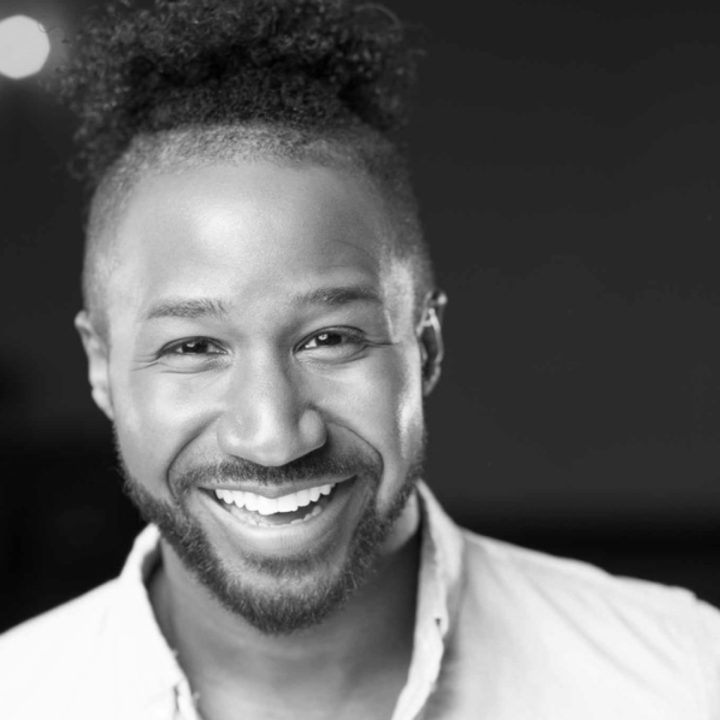
Raymond Wise is a dynamic Talent Acquisition Specialist at Aquent, where he excels in sourcing and delivering exceptional talent across diverse company divisions. Leveraging his extensive 15+ years of experience in theater, casting, employee engagement, and relationship management, he swiftly transitioned his career into corporate recruiting. In addition to his primary role, Raymond co-chairs the DEIB Council and co-facilitates the BIPOC + Allies Employee Resource Group. His unique perspective enables him to provide invaluable insights to the People team, thereby playing a crucial role in formulating strategies that ensure employee retention and affirm their value and sense of belonging within the organization. Raymond's unwavering commitment to DEIB and ensuring client and employee satisfaction has earned him recognition across multiple organizations. He continues to be a proud ambassador of change, driving initiatives that foster inclusivity and diversity within the workplace.
Latest.

Remarkable ways to avoid web design mistakes from AI overuse.
Leadership & Management, Engineering & Technology, Experience & Product, Innovation & Emerging Tech


Protect institutional knowledge in an AI-driven world.
Leadership & Management, Consulting & Operations

MCP to connect AI agents with enterprise jobs.
Engineering & Technology, Innovation & Emerging Tech